





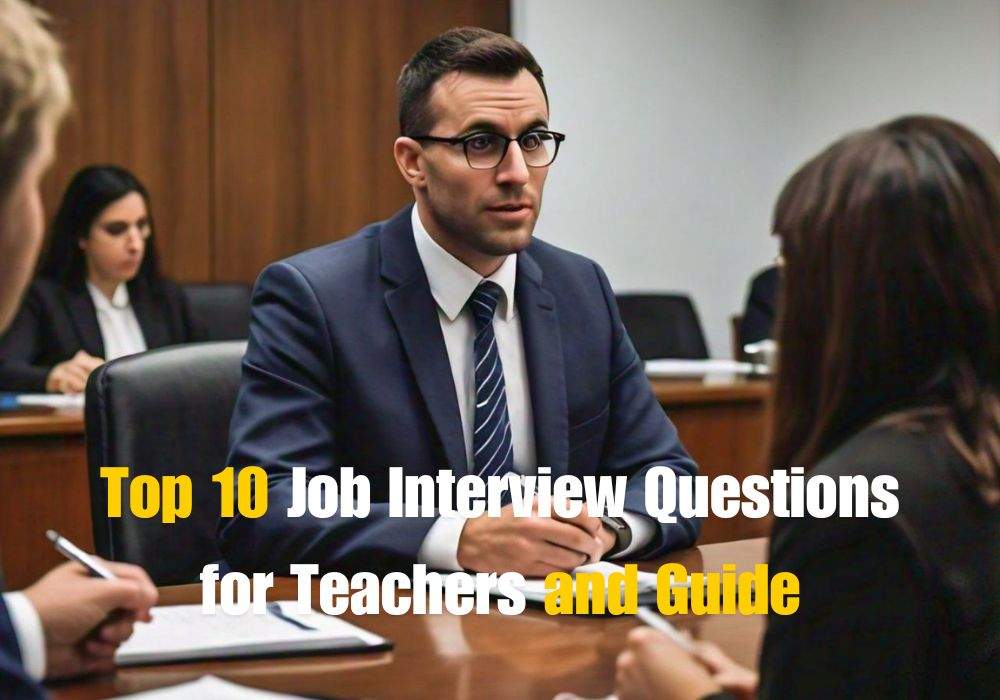
When preparing for a teaching job interview, it’s essential to anticipate a range of questions that assess your teaching philosophy, classroom management skills, and ability to engage with students. Below are the guide, and common job interview questions for teachers might encounter during an interview, along with tips on how to answer them effectively.
Understanding the Teacher’s Role
The Responsibilities of Teaching
- Instructional Duties
Teaching goes beyond just delivering content; it’s about making connections with students and encouraging their love for learning. A teacher’s role involves planning lessons, assessing student understanding, and adapting teaching methods to suit diverse learners. - Classroom Management
Creating an environment conducive to learning is vital. This involves establishing rules, managing behavior, and creating a safe space where students feel valued and respected. - Student Engagement and Support
Teachers are not just instructors; they are mentors. Engaging students through interactive activities and providing support for their emotional and academic needs is key to fostering a positive learning environment.
Different Teaching Environments
- Public vs. Private Schools
Public schools often have more resources due to government funding but also face larger class sizes and more bureaucratic regulations. In private schools, teachers might find smaller classes and more flexibility in curriculum, but these schools often require a specific educational philosophy. - Online Teaching Platforms
The rise of online education has transformed how teachers interact with students. Online platforms often require teachers to be tech-savvy, as they engage with students through virtual lessons, assessments, and feedback. - Special Needs Education
Educators in special needs settings must possess both compassion and specific training to address the unique challenges that their students face, often requiring tailored teaching strategies.
Qualifications and Skills Required
- Educational Background
Typically, teachers hold bachelor’s degrees in education or in the subject they wish to teach. Some positions may require a master’s degree as well. - Key Skills and Competencies
Teachers need strong communication skills, patience, and the ability to think on their feet. Being adaptable, organized, and empathetic helps foster a positive learning atmosphere. - Continued Professional Development
The best teachers are always learning. Workshops, seminars, and courses help teachers stay current with educational trends and techniques.
Preparing for Common Interview Questions
General Teaching Philosophy Questions
- Understanding Your Teaching Style
Reflecting on your personal teaching style is vital. Are you a facilitator who encourages student exploration, or do you prefer a more structured approach? - Vision for Education
Consider what you want to achieve as a teacher. Sharing your vision can help the interviewers understand the potential impact of your teaching. - Importance of Student-Centric Approaches
Highlighting how you prioritize student needs and interests shows that you are dedicated to fostering student growth and learning.
Behavioral Questions
- Handling Classroom Conflicts
Think of specific examples where you successfully managed conflicts. This will showcase your problem-solving skills and your ability to maintain order. - Adapting to Different Learning Styles
Be prepared to discuss how you’ve modified your lessons to reach students with varying abilities. Illustrating flexibility can set you apart. - Collaborating with Colleagues and Parents
Explain how you’ve fostered strong relationships with peers and families to best support student success.
Technical Questions Related to Curriculum and Assessment
- Lesson Planning Techniques
Consider your approach to lesson planning. Emphasizing creativity along with structure will demonstrate your capabilities. - Assessment and Feedback Strategies
Discuss how you provide constructive feedback and use assessments to inform your teaching and improve student outcomes. - Use of Technology in the Classroom
Share examples of technology you’ve integrated into your lessons and its impact on student engagement and learning.
Addressing Situational Questions
Scenarios in Classroom Management
- Managing Disruptive Behavior
Provide specific instances where you effectively handled disruptions, demonstrating your capacity to maintain control. - Engaging Unmotivated Students
Discuss strategies that have helped ignite interest in your students, showing your creativity and dedication. - Balancing Differences in Student Abilities
Share experiences of how you catered to students with varying skill levels while maintaining class cohesion.
Questions on Collaboration and Communication
- Working with Support Staff and Administration
Stress the importance of collaboration in creating a successful educational environment. - Involving Parents in the Educational Process
Share specific strategies you’ve used to engage parents, recognizing their role in the educational partnership. - Building Relationships with the Community
Talk about how outreach and community involvement enhance learning experiences for students.
Strategies for Professional Growth
- Reflecting on Past Experiences
Regular reflection on experiences can lead to growth; detail your process to illustrate continuous improvement. - Seeking Feedback and Mentorship
Explain how you value input from others and how mentorship has shaped your teaching journey. - Embracing Continuous Learning
Share your commitment to lifelong learning and the ways you stay updated in the field.
Cultural and Ethical Considerations
Diversity and Inclusion in Education
- Understanding Cultural Sensitivity
Recognizing and embracing the diverse backgrounds of students enriches the classroom experience. - Addressing Bias in Teaching
Discuss how you approach teaching with an awareness of biases and promote an inclusive environment. - Promoting an Inclusive Classroom Environment
Share methods you’ve implemented to ensure that every student feels included and represented.
Ethical Dilemmas in Teaching
- Confidentiality and Trust
Explain the importance of maintaining confidentiality in the classroom and building trust with students. - Handling Sensitive Issues with Students
Detail your strategies for approaching sensitive topics with care and understanding. - Professional Integrity and Responsibility
Stress the importance of maintaining high ethical standards throughout your teaching practice.
Laws and Regulations in Education
- Understanding Teacher Rights
Awareness of your rights as an educator helps you advocate for yourself and your students effectively. - Complying with Educational Policies
Explain the significance of staying informed about policies and laws governing education for compliance and advocacy. - Navigating Special Education Laws
Share your understanding of policies surrounding special education to highlight your preparedness for diverse classrooms.
Tips for Excelling in Teacher Interviews
Researching the School and Community
- Understanding School Values and Mission
Familiarize yourself with the school’s mission statement and values; this will help align your responses with their goals. - Identifying Community Needs and Expectations
Knowing the community can provide insight into potential challenges and opportunities your teaching may face. - Connecting Personal Philosophy with the School’s Goals
Being able to articulate how your teaching approach aligns with the school’s philosophies will make a strong impression.
Practicing Interview Techniques
- Role-Playing Common Scenarios
Practicing answers to common questions can increase your confidence going into the interview. - Refining Communication Skills
Being clear and articulate ensures your ideas are conveyed effectively. - Preparing Thoughtful Questions for Interviewers
Asking insightful questions demonstrates your interest in the position and helps you determine if the school is a good fit for you.
Common Job interview questions for teachers
- Can you describe your teaching philosophy?
Tip: Your answer should reflect your beliefs about education and how they influence your teaching methods. Discuss how you support diverse learning needs, foster a positive classroom environment, and engage students.
Example Answer: “My teaching philosophy centers around creating an inclusive and interactive learning environment. I believe that every student has unique strengths and learning styles, and it’s crucial to tailor my approach to meet those needs. I strive to make learning engaging through hands-on activities and real-world applications, and I focus on building strong relationships with students to support their academic and personal growth.” - How do you handle classroom management?
Tip: Explain your strategies for maintaining order and ensuring a productive learning environment. Provide examples of how you’ve dealt with disruptive behavior or conflicts in the past.
Example Answer: “I use a combination of clear expectations, consistent routines, and positive reinforcement to manage my classroom. I set clear rules from the beginning and involve students in creating them to ensure they understand and buy into the expectations. For disruptive behavior, I address it calmly and privately to understand the root cause and work towards a solution, always focusing on maintaining respect and fostering a supportive classroom atmosphere.” - How do you engage students who are struggling or disinterested?
Tip: Highlight your strategies for differentiating instruction and providing additional support. Mention specific techniques or interventions you’ve used to motivate and assist struggling students.
Example Answer: “To engage struggling or disinterested students, I first try to understand their individual challenges and interests. I use differentiated instruction techniques, such as providing various types of learning materials and adjusting the level of difficulty. I also offer one-on-one support and incorporate activities that relate to students’ interests to make lessons more relevant and engaging.” - Can you provide an example of a successful lesson plan you’ve implemented?
Tip: Share details about a lesson that worked well, including the objectives, activities, and outcomes. Emphasize how the lesson met the learning goals and how you assessed its effectiveness.
Example Answer: “One successful lesson plan I implemented was a project-based activity on environmental science. The objective was for students to understand ecosystems and their impact on the environment. I divided the class into groups and had them research different ecosystems, create models, and present their findings. The students were highly engaged, and the project fostered collaboration and critical thinking. I assessed their understanding through presentations and a written reflection.” - How do you incorporate technology into your teaching?
Tip: Describe the technology tools you use and how they enhance your teaching and students’ learning experiences. Mention specific examples and their impact on student engagement and learning outcomes.
Example Answer: “I integrate technology into my teaching by using interactive tools such as educational apps, digital whiteboards, and online resources. For example, I use quiz apps to review concepts in a fun and interactive way, and I incorporate multimedia presentations to cater to different learning styles. Technology helps me provide immediate feedback and create a more dynamic and engaging learning environment.” - How do you assess student progress and adapt your teaching strategies?
Tip: Discuss the methods you use to evaluate student performance and how you adjust your teaching based on assessment results. Mention formative and summative assessment techniques.
Example Answer: “I use a variety of assessment methods, including quizzes, projects, and observational assessments, to gauge student progress. I regularly review students’ work and provide constructive feedback. Based on the assessment data, I adjust my teaching strategies by identifying areas where students need additional support and modifying my lesson plans to address those needs.” - How do you foster a positive and inclusive classroom environment?
Tip: Explain your approach to creating a supportive and respectful classroom culture. Discuss strategies for promoting inclusivity and addressing diversity.
Example Answer: “I foster a positive and inclusive classroom environment by encouraging open communication, celebrating diversity, and ensuring that every student feels valued and respected. I incorporate culturally diverse materials into my lessons and create opportunities for students to share their unique perspectives. I also address any issues of bias or exclusion promptly and sensitively.” - How do you handle feedback and criticism from parents or colleagues?
Tip: Demonstrate your openness to feedback and your approach to addressing concerns constructively. Provide an example of how you’ve handled feedback in the past.
Example Answer: “I view feedback and criticism as opportunities for growth and improvement. When receiving feedback from parents or colleagues, I listen carefully, ask for specific examples, and reflect on how I can address any concerns. For instance, if a parent expresses concerns about their child’s progress, I arrange a meeting to discuss their observations and work together to develop a plan to support the student.” - What strategies do you use to stay current with educational best practices and developments?
Tip: Describe your commitment to professional development and staying informed about changes in education. Mention any courses, workshops, or professional organizations you participate in.
Example Answer: “To stay current with educational best practices, I regularly attend professional development workshops, participate in online courses, and read educational journals. I am also an active member of a local teacher’s association, which provides valuable resources and networking opportunities. By continually learning and applying new strategies, I ensure that my teaching practices remain effective and up-to-date.” - Why do you want to work at this school, and how do you align with its mission and values?
Tip: Show that you have researched the school and understand its mission and values. Explain how your teaching philosophy and goals align with the school’s objectives.
Example Answer: “I am excited about the opportunity to work at this school because of its commitment to fostering a supportive and innovative learning environment. Your emphasis on student-centered learning and community involvement aligns perfectly with my teaching philosophy. I am eager to contribute to your school’s mission by bringing my skills and passion for education to support student growth and success.”
Conclusion
In summary, preparing for a teacher job interview involves understanding the teaching role, practicing common and situational interview questions, and being aware of cultural and ethical considerations in the educational context. Aspiring teachers can enhance their preparation by researching school values, practicing their responses, and following up post-interview.
Frequently Asked Questions (FAQs)
- What are common mistakes to avoid during a teacher interview?
It’s important to avoid speaking negatively about previous employers and to ensure you practice good non-verbal communication. - How important is it to showcase my teaching philosophy?
Clearly articulating your teaching philosophy helps interviewers gauge how you align with their educational vision. - What should I do if I do not know the answer to a question during the interview?
If you encounter a question you’re unsure about, it’s okay to admit it and express your willingness to learn. - How can I present my experience in a compelling way?
Focus on specific examples that highlight your skills and demonstrate your adaptability in past roles. - What questions should I ask at the end of a teacher interview?
Ask about professional development opportunities, school culture, and how success is measured for educators within the institution.