




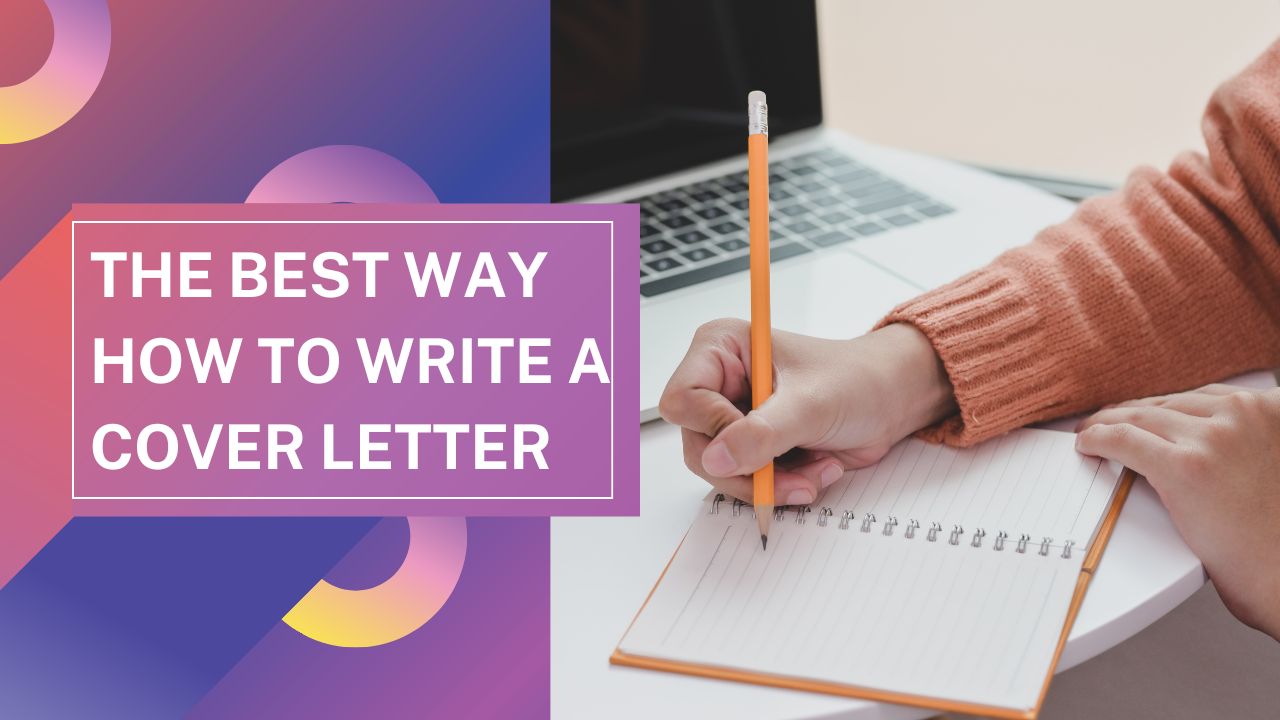
When applying for a job your resume is the first, but let’s not forget about its sidekick: the cover letter. A well-crafted cover letter can make it all between getting your foot in the door or being left on the sidelines. It gives you the chance to showcase your personality, explain gaps in your resume, and express why you’re a perfect fit for the company. Let’s see how to write a cover letter.
In this article, we will explore everything you need to know to write a standout cover letter. From understanding its purpose to structuring it effectively, we’ll cover all the bases to help you shine. We’ll also dive into the importance of researching the company and position, crafting the perfect narrative, and putting the finishing touches on your letter before you hit “send.”
Your cover letter should complement your resume, giving hiring managers a fuller picture of who you are. Let’s jump in!
Understanding the Purpose of a Cover Letter
What is a Cover Letter?
A cover letter is a one-page or more than one that accompanies you when you apply for a job. It usually includes:
- Your contact information
- A polite salutation
- An engaging introduction
- Body paragraphs that detail your skills and experiences
- A professional closing
The key difference between a cover letter and a resume is that while a resume lists your qualifications and work history, a cover letter allows you to narrate your story and explain how those qualifications will benefit the employer.
Why is a Cover Letter Important?
A cover letter plays a vital role in the job application process. It can:
- Provide context for your resume.
- Highlight your most relevant experiences.
- Show your enthusiasm for the role.
Importantly, a compelling cover letter can have a big impact on hiring decisions. It gives employers a glimpse into your personality and motivation that simply can’t be conveyed on a resume.
Common Misconceptions
Many people think that cover letters are optional, but that’s not the case for most job applications. Here are a couple of myths:
Myth: “Hiring managers don’t read cover letters.”Truth: Many hiring managers do read cover letters if they are well-written and relevant.
Myth: “Only entry-level candidates need cover letters.”Truth: Regardless of your level of experience, a thoughtful cover letter can help your application stand out.
Researching the Company and Position
Investigating the Company Culture
Before you start writing your cover letter, it’s essential to understand the company’s culture. Here’s how to dig deeper:
- Explore the company’s website: Look for its mission statement, values, and any recent news.
- Check social media: See how they interact online. What kind of content do they share?
- Read employee reviews: Websites like Glassdoor can give you insights into employee experiences and company culture.
Aligning your cover letter with the company’s values will not only showcase your interest but also demonstrate that you would be a good cultural fit.
Analyzing the Job Description
A detailed job description outlines the qualifications and skills sought by the employer. When analyzing it, consider the following:
- Keywords: Look for recurring terms related to skills or qualifications.
- Requirements: Identify the top three to five skills you possess that match what they’re looking for.
- Responsibilities: Make a note of what you’ll be doing and think about which of your past experiences aligns with those tasks.
Tailor your cover letter to highlight these specifics, showing that you understand the job and are prepared for it.
Leveraging Informational Interviews
Informational interviews can be incredibly beneficial. Here’s how to conduct one:
- Reach out: Connect with current or former employees on LinkedIn and request a brief chat about their experiences.
- Prepare questions: Ask them about the company culture, what they enjoy about their job, and advice for applicants.
- Take notes: Use the insights you gather to inform your cover letter and demonstrate that you’ve done your homework.
Structuring Your Cover Letter
The Basic Format
A cover letter should adhere to a clear format for maximum impact:
- Contact Information: Your name, address, email, and phone number at the top.
- Salutation: Address it to the hiring manager if possible.
- Introduction: A brief overview of who you are and why you’re writing.
- Body Paragraphs: More detailed information about your experiences and skills.
- Closing: A strong ending that invites further conversation.
Clarity and professionalism are crucial—avoid clutter and keep the layout clean.
Crafting the Opening Paragraph
Your introduction sets the stage. Make it strong by:
- Grabbing attention: Start with an interesting fact, a personal story, or a quote related to the position.
- Introducing yourself: Briefly explain who you are and your current standing in relation to the job.
This is your chance to draw in the reader and make them want to know more.
Developing the Body Paragraphs
Use the body of your cover letter to highlight your experiences:
- Match your skills to the job description: Discuss how your background makes you a suitable candidate.
- Use examples and anecdotes: Share specific stories from your career that illustrate your skills and achievements.
Writing with Clarity and Impact
Choosing the Right Tone and Style
Your cover letter should reflect your personality while remaining professional. Here are some tips:
- Be friendly yet formal: Use a conversational tone, but avoid slang or overly casual language.
- Stay professional: Remember, this is a professional document that represents you.
Finding the right balance will help you connect with the reader.
The Importance of Grammar and Spelling
Nothing sours a great cover letter like errors in grammar or spelling. Here’s what you can do:
- Proofread: Go over your letter multiple times to catch any mistakes.
- Use online tools: Consider tools like Grammarly or Hemingway to help with corrections.
A clean document shows attention to detail and professionalism.
Closing with Confidence
Your closing should encourage further dialogue:
- Summarize briefly: Reinforce your enthusiasm for the position and what you would bring to the table.
- Invite conversation: End with a phrase like “I look forward to discussing how I can contribute to your team.”
A confident closure leaves a positive and lasting impression.
Finalizing and Sending Your Cover Letter
Reviewing and Editing Your Draft
After writing, take some time to review and edit:
- Self-edit: Read your letter out loud to catch awkward phrasing.
- Seek feedback: Ask trusted friends or colleagues to read it and offer constructive criticism. Fresh eyes can provide valuable insights.
Formatting and Presentation
A professional appearance matters:
- PDF vs. Word: Save your document as a PDF to maintain formatting, unless otherwise specified.
- Font and size: Stick to standard fonts like Arial or Times New Roman at a readable size.
These small details can enhance your professionalism.
Following Up
After sending your application, a polite follow-up can be impactful:
- Timing: Wait about a week before reaching out.
- Content: Keep it brief, thank them for their consideration, and express your continued interest.
Following up shows initiative and enthusiasm.
Conclusion
In summary, taking the time to craft a tailored cover letter can make a significant difference in your job application journey. By understanding its purpose, conducting thorough research, structuring it effectively, writing with clarity, and finalizing it with care, you’ll be well on your way to standing out in a competitive job market. So invest that time and effort—your future self will thank you!
FAQs
What should I include in a cover letter?
Include your contact information, a polite salutation, an engaging introduction, body paragraphs highlighting your skills and experiences, and a closing that invites further conversation.
How long should my cover letter be?
Aim for one page. Keep it concise while still providing enough detail to showcase your qualifications.
Do I need to customize my cover letter for each application?
Yes! Customizing each letter ensures it aligns with the specific job and company, which can greatly improve your chances.
Can I use a template for my cover letter?
Using a template can be a good starting point, but make sure to personalize it significantly to avoid sounding generic.
What should I do if I have gaps in my employment history?
Address the gaps in your cover letter briefly, focusing on what you learned or accomplished during that time. Honesty and positivity can turn these potential red flags into opportunities for discussion!