





In the era of competition, a well-written, good, and professional Curriculum Vitae (CV) is one of the most important documents. A good CV is a powerful tool that can open doors to countless jobs, education, and other opportunities. In this post, you will learn how to make a good and professional CV also called a resume.
In this guide you will learn the following:
- What is CV
- Length of CV
- How to make CV even if you have no experience
- Choosing the right template
- Highlight qualifications, skills, and experiences
- Mention your extra certificates
- Do not forget to write your achievements
- FAQs
What is a CV?
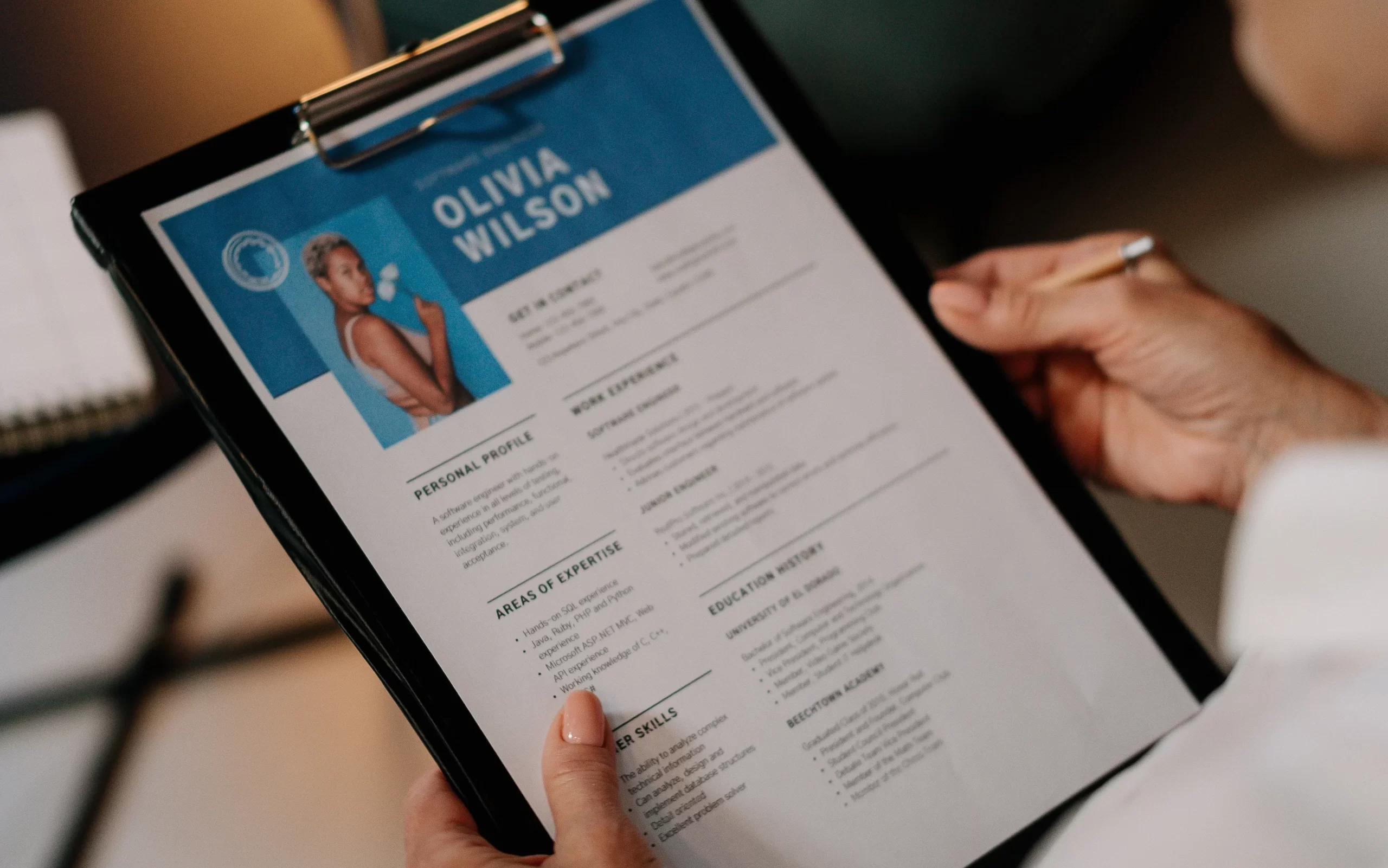
Your CV is a door into the professional world, showing employers your skills, experiences, and qualifications. In short, the CV summarizes your education, work experience, achievements, etc. In some countries, the CV is also called a resume. The recruiter also looks into one of the important documents, a cover letter.
As you want to apply for a job, it is crucial to understand that a CV is the key to making a positive and good impression on hiring managers. In this comprehensive guide, we will take you through the step-by-step process of making a professional CV that attracts recruiters and gets you toward your dream career. Let’s get started, on how to make a CV. There is no specific formatting and rules for making a CV but the only thing to consider is that it is concise.
Length of CV
The length of the CV depends on your qualifications, experiences, and education. One to two pages are enough for a fresh graduate on a standard A4 size page. For more experienced ones, the CV length may be 3 or 4 pages. There are no specific rules to say about the length. The important thing is that you make your CV readable and easily understood by the reader without spending too much time.
First search for job requirements
Before putting pen to paper and making your CV, take the time to thoroughly understand the job descriptions and requirements provided by the employer. Identifying the key skills, experiences, and qualifications they seek in an ideal candidate will enable you to make your CV effective. Making a good CV that aligns with the specific needs of the position not only makes you a more attractive candidate but demonstrates your commitment and enthusiasm for the role. So, it is the most important thing to read about the job description, and after that start making your CV.
Format for making a good CV
Various CV formats are available, selecting the one that best suits your career stage and showcases your strengths is essential. The most common formats are chronological, functional, and combination formats.
Chronological Format
This format arranges your work and education experiences in reverse chronological order, starting with the most recent position. It is suitable for candidates with a stable work history and a clear career progression.
Functional Format
The functional format emphasizes your skills and achievements rather than the chronology of your work experiences or education career. This type is ideal for candidates with employment gaps or seeking to transition into a new industry.
Combination Format
As the name suggests, the combination format combines elements of both chronological and functional formats. It allows you to highlight your skills and achievements while providing a coherent work history. This format is suitable for experienced professionals with diverse skill sets.
Choose a format that best highlights your accomplishments and aligns with your career objectives.
Things to Mention in your CV
Contact Details
At the top of your CV mention your full name and address. Besides this, write down your contact details and provide a link to your LinkedIn or other profile. The best way is to mention your portfolio if you have one. Your father’s name and marital status are not necessary.
Mention personal statement
At the beginning of your CV, write a good personal statement or professional summary. This section should capture your background, career goals, and what you bring to the table as an asset to the organization. Be sure to change this statement for each application, emphasizing your unique value as a candidate. An engaging personal statement catches the interest of recruiters or employers and encourages them to read further into your CV.
Work experience
The work experience section is the heart of your CV and gives employers insight into your professional journey. List your previous positions in reverse chronological order, starting with the most recent job. About your experience, mention the details about your company, duration, and job responsibilities. Write a concise yet impactful description of your responsibilities and achievements, using powerful action verbs to highlight your contributions. Where possible, quantify your accomplishments with specific metrics to provide evidence of your success.
Highlight education and qualifications
In the education section, include your academic qualifications, starting with your highest degree achieved. Mention the name of the institution, degree earned, graduation year, and any relevant certifications or honors. If you have participated in professional development courses or workshops, include them to showcase your commitment to continuous learning and self-improvement.
Mention skills
Dedicate a separate section to highlight your skills, both hard and soft. Hard skills refer to specific technical abilities related to the job, such as proficiency in programming languages or software applications. Soft skills encompass interpersonal and communication abilities, such as teamwork, problem-solving, and leadership. Refer back to the job description and focus on the skills section to match the requirements of the position you are applying for. This section is an opportunity to exhibit your unique strengths and demonstrate how you can contribute to the organization’s success.
Additional sections
Depending on your experiences and the nature of the job, consider incorporating additional sections to enhance your CV’s impact. These sections may include:
Volunteer Experience: Highlight relevant volunteer work that showcases your dedication to community involvement and teamwork. Language Proficiency: If you are proficient in multiple languages, include this section to show your global communication abilities. Technical Skills: If the job necessitates specific technical expertise, list the relevant technical skills you possess. Awards and Honors: Mention any recognition you have received in your professional or academic period.
Publications and Presentations: If you have published articles or presented at conferences, include this section to showcase your expertise in your field. Professional Memberships: Mention memberships in industry-specific organizations that demonstrate your commitment to professional development.
Only include sections that are relevant to the job and reinforce your suitability for the position.
Formating CV
The design of your CV should be professional and visually good. Choose the correct font, such as Arial or Times New Roman, and maintain consistent formatting throughout the document. The bullet point is good for highlighting information and increasing readability. Avoid using too many colors or elaborate designs that might distract recruiters from the content. A clean and organized layout ensures that the focus remains on your qualifications and experiences.
Don’t forget to proofread
Grammatical errors and typos can severely affect your CV. Before submitting it, carefully proofread your CV multiple times to catch any grammatical mistakes. Take the help of a friend, family member, or professional proofreader to review your CV and give you constructive feedback. Fresh eyes can identify errors you might have overlooked, ensuring that your CV is polished and error-free.
Customize CV for each application
Customize your CV for each job application by focusing on the specific skills and experiences that align with the requirements of the position. A good CV demonstrates your dedication and interest in the role, making you a standout candidate among other applicants. So, make sure to update your CV for each job application.
Conclusion:
The art of CV writing is a transformative journey that can lead to exciting career opportunities. Your CV is not just a document but a reflection of your professional work experience, and education qualification, showing your skills, and experiences. To make a CV, you need to select the format, write a good personal statement, showing your work experience and education, emphasize your diverse skills, and include additional sections. Besides this create a professional design, and thoroughly proofread your CV.
Remember that your CV is an evolving document, and it should be continually updated to reflect your latest achievements and experiences. As you apply for a job, be persistent, confident, and proactive. Each application is an opportunity to show your unique value as a candidate and bring you one step closer to securing the job of your dreams. With a good CV, you hold a key to unlocking the doors to your future career.
Good luck on your journey !!!!!
SEE THE LATEST GOVERNMENT JOBS
FAQs about how to make CV looking good and professional?
What is a CV, and how is it different from a resume?
A CV (Curriculum Vitae) is a detailed document that provides a comprehensive overview of your academic and professional achievements, skills, qualifications, and experiences. Unlike a resume, which is typically shorter and more concise, a CV is more comprehensive and can be multiple pages long.
What should be included in a CV?
A CV should include sections such as personal information, contact details, education, work experience, skills, achievements, certifications, publications (if applicable), and references. Additionally, you may include a brief personal statement or objective at the beginning of the CV.
How should I format my CV?
Your CV should have a clear and professional format, with consistent font styles and sizes throughout the document. Use bullet points to list your achievements and responsibilities in each section, and organize the information in a logical and easy-to-read manner. Consider using headings and subheadings to break up the content and make it more visually appealing.
How long should my CV be?
The length of your CV depends on your level of experience and the industry norms. Generally, a CV for a recent graduate or entry-level candidate may be one to two pages long, while a CV for a more experienced professional maybe two to three pages or longer.
How do I tailor my CV for a specific job application?
To tailor your CV for a specific job application, carefully review the job description and requirements, and highlight relevant skills, experiences, and achievements that align with the position. Customize your CV to showcase how your background and qualifications make you a strong candidate for the role.
Should I include a photo on my CV?
In many countries, including Pakistan, it is common to include a professional photo on your CV. However, it is not mandatory, and you should consider local customs and preferences when deciding whether to include a photo. If you choose to include a photo, ensure that it is professional and appropriate for the context.
How do I make my CV stand out?
To make your CV stand out, focus on highlighting your unique skills, experiences, and achievements that set you apart from other candidates. Use action verbs and quantifiable metrics to showcase your accomplishments, and ensure that your CV is well-organized, error-free, and visually appealing.
Should I include references on my CV?
It is not necessary to include references on your CV, but you may choose to provide them upon request or include a separate reference page with your application. If you do include references, make sure to obtain permission from the individuals beforehand and provide their contact information accurately.
Can I use a CV template?
Yes, using a CV template can be a helpful way to organize your information and ensure that your CV follows a professional format. However, make sure to customize the template to fit your specific needs and avoid using overly generic or cliché templates.
Where can I find more resources and guidance on creating a CV?
There are many online resources, tutorials, and guides available to help you create a strong CV. You can also seek advice from career counselors, mentors, or professional organizations for personalized guidance and feedback on your CV. Additionally, consider reviewing sample CVs and templates for inspiration and ideas.